A fresh flower subscription makes it easy to enjoy beautiful blooms without ordering a bouquet every time. Instead of waiting for a birthday, anniversary, or special occasion, you can have fresh flowers delivered on a schedule that fits your lifestyle. Weekly, biweekly, or monthly deliveries can refresh your home, brighten your workspace, and add natural charm to everyday surroundings. Many services offer seasonal flowers and carefully selected floral arrangements, giving you something new to enjoy with each delivery. Whether you want flowers for yourself or a thoughtful gift for someone special, a subscription combines convenience, variety, and beauty. It is a simple way to bring freshness, color, and joy into ordinary moments.
What Is a Fresh Flower Subscription and How Does It Work?
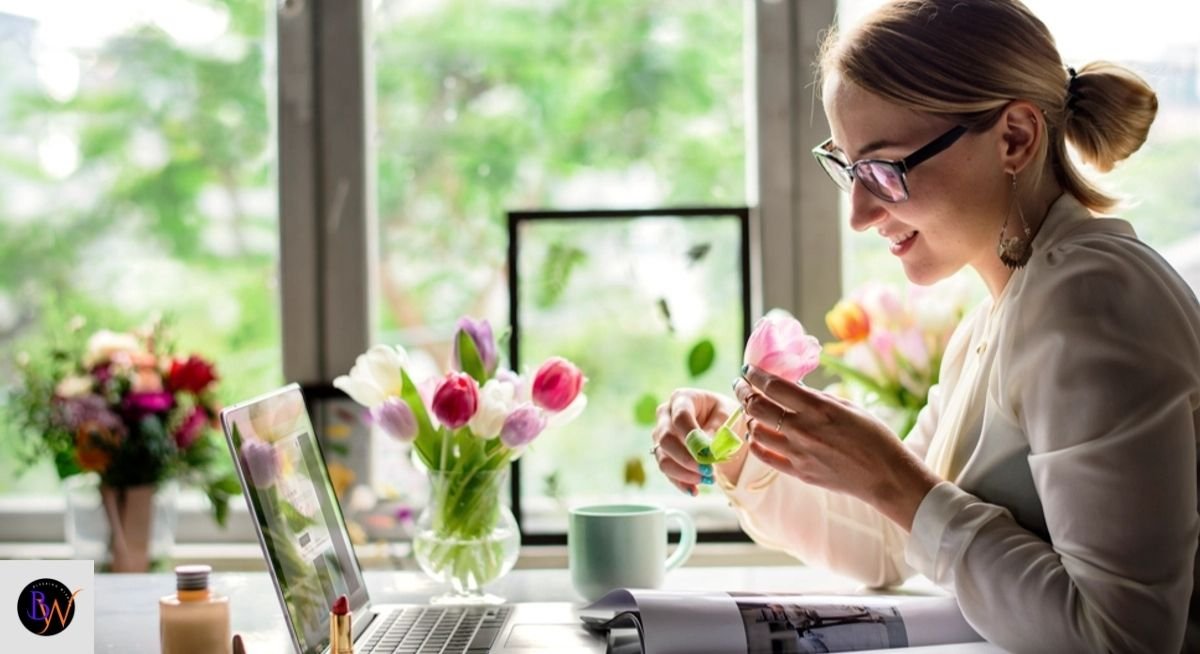
A flower delivery subscription sends floral arrangements to you on a recurring basis. You select a subscription plan, delivery frequency, and sometimes your preferred flower colors or style. The florist then prepares an arrangement based on seasonal flowers, availability, and your preferences. Unlike one-time orders, the process continues automatically until you pause, change, or cancel it.
For example, a customer might choose a monthly flower subscription for a dining table, while another prefers a weekly flower subscription for an office reception area. Some providers offer curated designs, while others allow custom flower arrangements. Before subscribing, check delivery fees, bouquet size, replacement policies, cancellation rules, and seasonal flower availability. These details can significantly affect the overall value.
Why Choose a Fresh Flower Subscription for Your Home?
Regular blooms can transform a familiar room without requiring a complete decorating project. Fresh flowers at home can add color to a kitchen, softness to a bedroom, or character to a work area. Meanwhile, floral décor gives your home décor a natural focal point that changes with the seasons. Even one carefully placed bouquet can make a room feel more welcoming.
A recurring service also removes the hassle of last-minute flower shopping. You do not need to remember another order when your previous bouquet fades. Instead, flowers delivered regularly create a predictable rhythm of freshness. This can be especially appealing if you work from home, enjoy entertaining, or simply appreciate small touches of everyday happiness throughout your living space.
9 Benefits of a Fresh Flower Subscription You’ll Love
The biggest advantage is consistency, but convenience is only part of the appeal. A fresh flower subscription can provide variety, simplify decorating, and introduce seasonal blooms throughout the year. Receiving different floral arrangements also prevents your interior from feeling repetitive. One month might feature cheerful spring flowers, while another brings richer autumn tones.
There are practical benefits, too. Fresh flowers regularly can save shopping time and make flowers for gifting easier to arrange. Subscriptions can also support flowers for workspaces, flowers for businesses, and special events. However, value depends on your habits. Someone who buys flowers twice annually may prefer occasional purchases, while a dedicated flower lover may appreciate reliable delivery.
How Often Should You Get Fresh Flowers Delivered?
The ideal subscription schedule depends on how long your bouquet lasts and how frequently you want to refresh your space. Weekly deliveries suit people who want continuously changing arrangements, while biweekly service offers a balance between freshness and cost. Monthly delivery works well for occasional decorators who still want regular flower delivery without frequent commitments.
| Delivery frequency | Best for | Main advantage |
| Weekly | Businesses and flower lovers | Constant freshness |
| Biweekly | Busy households | Balanced convenience |
| Monthly | Casual decorators | Lower commitment |
| Seasonal | Occasional gifting | Variety throughout the year |
Your room also matters. A large arrangement may remain attractive longer when displayed in a cool area. In contrast, bouquets exposed to sunlight or heat can fade sooner. Choosing a flower delivery service based on actual vase life prevents unnecessary overlap between deliveries and helps you enjoy each bouquet fully.
Fresh Flower Subscription vs. Buying Flowers Each Time
Buying flowers individually gives you maximum control over timing, price, and selection. A subscription, however, offers predictable flower delivery and removes the need to repeatedly order. The choice depends on whether you value flexibility or convenience more. Subscriptions can also encourage experimentation because each delivery may introduce a different flower variety.
| Feature | Subscription | One-time purchase |
| Convenience | Very high | Moderate |
| Flexibility | Moderate to high | Very high |
| Variety | Usually rotating | Chosen by you |
| Planning | Automatic | Manual |
| Gifting | Excellent | Excellent |
| Commitment | Recurring | None |
For frequent buyers, a subscription may simplify spending and planning. For occasional shoppers, individual bouquets can remain more economical. Pay attention to delivery charges and bouquet size rather than comparing headline prices alone. A slightly cheaper subscription may offer less value if arrangements are noticeably smaller or delivery terms are restrictive.
How to Make Your Subscription Flowers Last Longer
Good care begins as soon as your bouquet arrives. Trim the stems with a clean tool, place the flowers in a clean vase, and use fresh water. Keep the arrangement away from direct sunlight, heating vents, and ripening fruit. These simple habits protect freshness and help preserve the bouquet’s natural beauty for longer.
Water quality and placement can make a surprising difference. Change the water regularly and remove fading stems before they affect healthier flowers. Different varieties naturally have different vase lives, so avoid expecting delicate blooms to last like sturdier carnations. Proper care cannot stop aging, but it can help your fresh floral arrangements remain attractive for significantly longer.
Best Flowers for a Home Delivery Subscription
Some flowers work especially well for recurring delivery because they combine visual appeal with reasonable vase life. Roses, carnations, chrysanthemums, alstroemerias, lilies, sunflowers, and orchids can all create distinctive arrangements. Seasonal flowers can add even more variety because florists can work with blooms that naturally thrive during particular periods.
Your choice should also consider pets, allergies, fragrance preferences, and room conditions. A strongly scented arrangement may suit a spacious living room but feel overwhelming beside a work desk. Similarly, delicate flowers may need more attentive care. Ask about flower availability, care instructions, and floral preferences before selecting a long-term service.
Are Flower Subscriptions Good Gifts for Someone You Love?
A flower subscription gift can turn a traditional bouquet into an ongoing expression of affection. Instead of sending flowers as a gift once, you can arrange recurring deliveries for birthdays, anniversaries, housewarmings, or simple surprises. This makes a subscription especially appealing for long-distance relationships, parents, close friends, and people who genuinely enjoy flowers.
Consider the recipient’s lifestyle before choosing a thoughtful flower gift. Someone with limited space may prefer smaller arrangements, while an enthusiastic decorator might enjoy larger bouquets. You can also match deliveries with meaningful occasions, such as birthday flowers, anniversary flowers, housewarming flowers, or Mother’s Day flowers. Personal preferences make recurring gifts feel much less generic.
How to Choose the Best Fresh Flower Subscription
Choosing the right provider requires more than comparing bouquet photos. Look at delivery coverage, arrangement size, flower quality, customization, packaging, and cancellation policies. Check whether the company explains its flower subscription plans clearly and whether delivery fees appear before checkout. A trustworthy service should make its terms easy to understand rather than hiding important conditions.
Your priorities should guide the final choice. If variety matters most, seek rotating seasonal designs. If consistency matters, choose a florist known for reliable fresh flower delivery. If gifting matters, investigate gift subscription options and delivery notifications. For environmentally conscious shoppers, ask about packaging and sourcing. The best subscription balances quality, convenience, flexibility, and realistic cost.
Fresh Flower Subscription FAQs
How much does 100 flowers cost?
The cost of 100 flowers depends on the type, quality, season, and florist. In Pakistan, 100 roses may cost roughly PKR 8,000–25,000+, while premium or imported flowers can be significantly more expensive.
How much does a 200-flower bouquet cost in Pakistan?
A 200-flower bouquet can range from around PKR 15,000 to PKR 50,000+. The final price depends on the flower variety, arrangement style, wrapping, delivery, and whether the flowers are locally grown or imported.
What is the 3:5:8 rule for flowers?
The 3:5:8 rule is a floral design guideline that uses groups of three, five, and eight flowers or visual elements. It helps create a balanced, natural-looking arrangement rather than making the bouquet appear too uniform.
Why give 11 roses instead of 12?
Giving 11 roses can symbolize that the recipient is unique or special. Eleven roses are also commonly associated with the idea that one person stands out above everyone else. The meaning can vary by culture and florist tradition.
Is 7 flowers enough for a bouquet?
Yes, seven flowers can make a beautiful bouquet, especially when combined with greenery or filler flowers. The overall appearance depends more on flower size, stem length, spacing, and arrangement style than simply the number of flowers.
What flowers should not be mixed together?
Some flowers should be separated because they can release substances that shorten the vase life of other blooms. For example, daffodils are often kept separate from other flowers initially because their sap can harm other cut flowers. Different flowers may also require different water and temperature conditions.